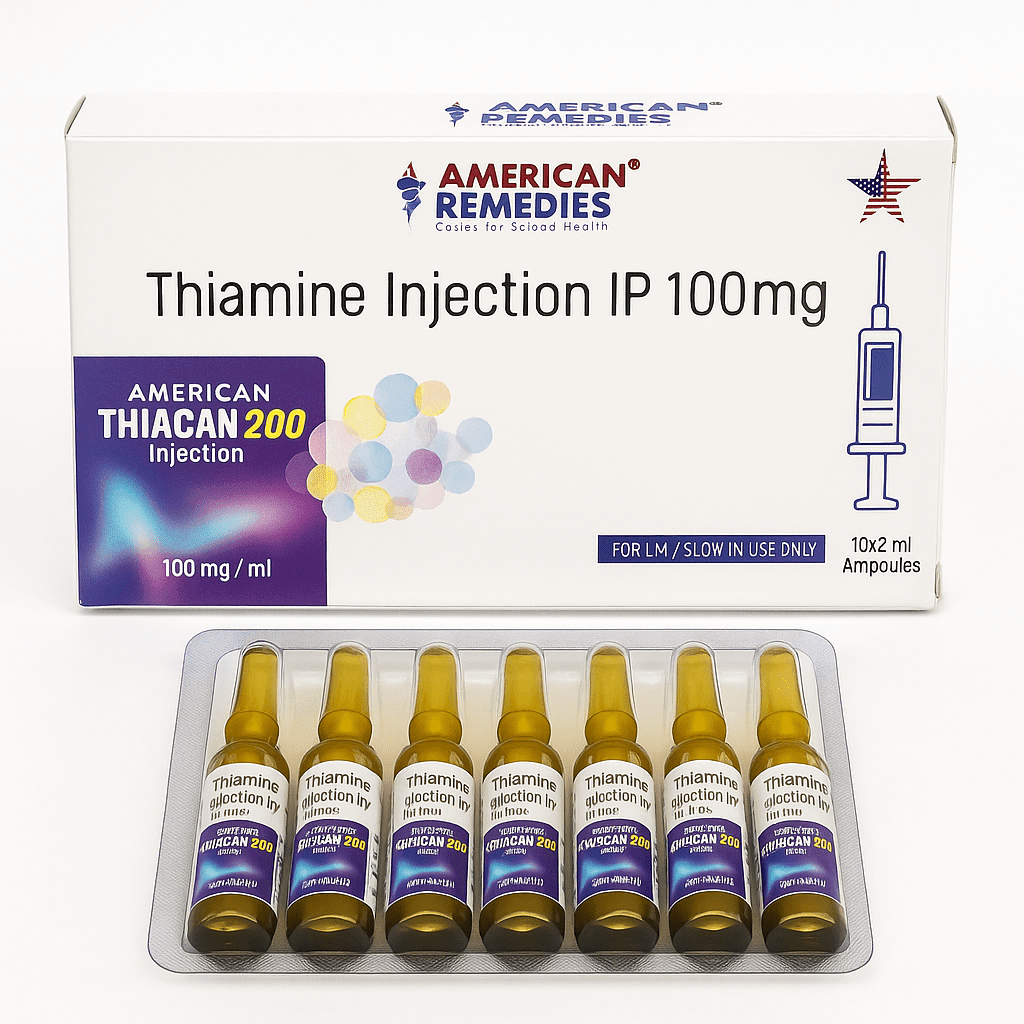
For many people, dietary sources of thiamine are sufficient. But for others, food alone is simply not enough. Whether due to poor absorption, increased demand, or underlying health conditions, some individuals require a more direct and potent form of supplementation. In such cases, thiamine injections can play an important medical role.
This blog post explores who is most at risk of Vitamin B1 deficiency, why injectable thiamine is sometimes the preferred solution, and what the associated benefits and considerations are.
Understanding Vitamin B1 and Why It Matters
Thiamine plays a vital role in energy metabolism. It acts as a coenzyme in the conversion of carbohydrates, fats, and proteins into adenosine triphosphate (ATP), which is the primary source of cellular energy. Without adequate thiamine, your cells struggle to produce energy efficiently.
Beyond energy production, thiamine is critical for:
- Proper nerve function and brain health
- Cardiovascular support and heart muscle regulation
- Maintaining a healthy digestive system
- Supporting the body’s stress response
- Healthy red blood cell formation
A thiamine deficiency can lead to conditions such as Beriberi (a disease affecting the cardiovascular and nervous systems) and Wernicke’s Encephalopathy (a neurological emergency). In milder cases, deficiency may present as persistent fatigue, irritability, poor concentration, and digestive discomfort.
What Causes Vitamin B1 Deficiency?
Thiamine deficiency does not happen overnight. It typically develops over weeks or months due to insufficient intake, impaired absorption, or excessive loss. The most common causes include:
- Poor dietary intake, especially in highly processed diets
- Chronic alcohol consumption, which reduces absorption
- Gastrointestinal disorders that impair nutrient uptake
- Certain medical conditions, such as diabetes or liver disease
- Long-term use of diuretics or other medications
- Increased nutritional needs during pregnancy or illness
Symptoms That Suggest You May Need a Thiamine Injection
Recognising the signs of thiamine deficiency early can prevent more serious health complications. Common symptoms include:
- Persistent and unexplained tiredness
- Weakness in the arms and legs
- Tingling or numbness in the hands and feet (peripheral neuropathy)
- Difficulty concentrating or memory problems
- Rapid heartbeat or shortness of breath
- Digestive issues such as nausea, loss of appetite, or constipation
- Mood changes, including irritability or depression
In more advanced cases, thiamine deficiency may present with double vision, involuntary eye movements, and loss of coordination. These symptoms are warning signs of Wernicke’s Encephalopathy and require urgent medical attention.
Who Specifically Needs a Thiamine Injection?
A vitamin B1 thiamine injection is typically recommended when deficiency is severe or when rapid correction is required. It may be suitable for:
Individuals with Severe Deficiency
People with significantly low thiamine levels often need immediate replenishment that oral supplements cannot provide quickly enough.
Those with Malabsorption Issues
Conditions such as Crohn’s disease or post surgery digestive changes can prevent proper absorption of oral vitamins.
Chronic Alcohol Users
Alcohol interferes with thiamine absorption and utilisation, increasing the risk of neurological complications.
Hospitalised or Critically Ill Patients
Patients receiving intensive care or intravenous nutrition may require direct supplementation.
Individuals with Persistent Fatigue
In some cases, a thiamine B1 injection may be considered where fatigue is linked to deficiency and has not improved with oral intake.
Injectable thiamine bypasses the digestive system entirely, delivering the nutrient directly into the bloodstream. This makes it far more bioavailable than oral forms, especially in situations where gut absorption is compromised.
When Do Doctors Recommend Thiamine Injections?
Medical professionals may recommend injectable thiamine in the following scenarios:
- Suspected or confirmed Wernicke’s Encephalopathy, which is a neurological emergency
- Alcohol withdrawal protocols to prevent or treat associated neurological damage
- Patients with chronic liver disease, who often have impaired thiamine storage
- Individuals with prolonged vomiting during pregnancy
- Post-bariatric surgery patients showing signs of nutritional deficiency
- People with long-term malnutrition or eating disorders
How Does a Vitamin B1 Thiamine Injection Work?
When administered, a vitamin B1 thiamine injection delivers thiamine directly into the muscle (intramuscular) or vein (intravenous), depending on the need. Because the nutrient bypasses the gastrointestinal tract, it is absorbed rapidly and completely into the bloodstream.
Once in circulation, thiamine is transported to cells throughout the body, where it is converted into its active form, thiamine pyrophosphate (TPP). This active form then participates in key metabolic reactions, particularly those involved in glucose oxidation and energy production.
Supporting Your Health with Quality Supplements
For those looking to maintain optimal levels or address mild deficiencies, high-quality supplementation can play an important role. In more advanced cases, injectable options may be necessary.
Supplements4YouAll offers pharmaceutical-grade solutions designed to support energy, digestion, and overall well-being. Our high-potency formulations are developed to meet strict quality standards, helping individuals take control of their nutritional health. If you are planning to buy thiamine injections, visit Supplements4YouAll to explore their full range of premium supplements.
Frequently Asked Questions (FAQs)
Can thiamine injections improve energy levels?
Yes, if fatigue is caused by a deficiency, restoring thiamine levels can help improve energy production and reduce tiredness.
Are thiamine injections better than oral supplements?
Injections are more effective for severe deficiency or absorption issues, while oral supplements are suitable for maintenance or mild cases.
How often should thiamine injections be taken?
The frequency depends on individual needs and medical advice. Some may require short-term treatment, while others may need ongoing support.
Are thiamine injections safe?
Thiamine injections are generally considered safe when administered under medical supervision. Side effects are rare but may include mild irritation at the injection site or allergic reactions in very uncommon cases. Always consult a healthcare professional before starting any injectable treatment.
Disclaimer: This blog post is intended for informational purposes only and should not be taken as medical advice. Always consult a qualified healthcare professional before beginning any new supplementation programme.