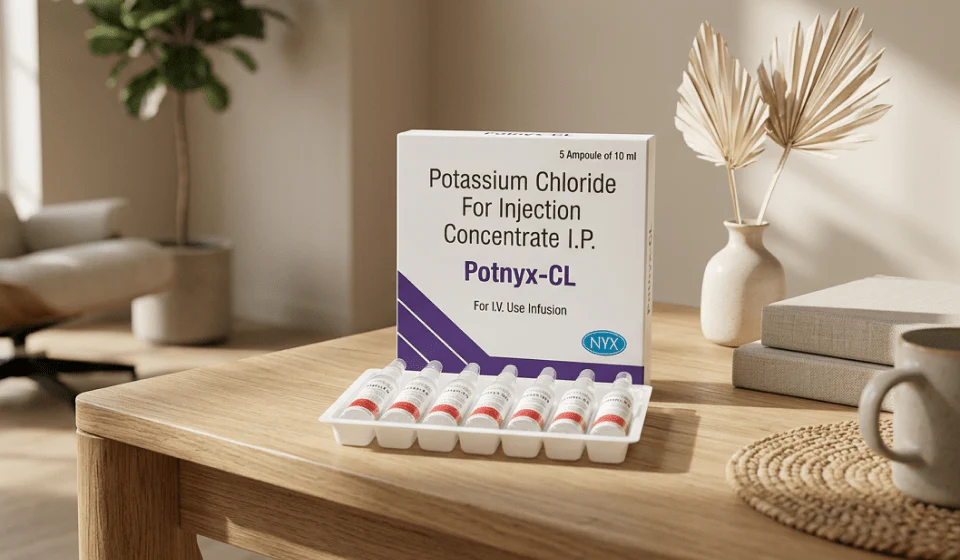
Potassium is one of the most vital electrolytes in the human body. It supports heart function, nerve signalling, and muscle contractions. When potassium levels drop dangerously low, healthcare professionals often turn to potassium chloride injection as a fast and reliable treatment. In this guide, we cover everything you need to know about this medical intervention, including its uses, benefits, dosage considerations, and when it is prescribed.
What is Potassium Chloride Injection?
Potassium chloride injection is a sterile, concentrated solution of potassium chloride (KCl) administered intravenously (IV) in clinical settings. It is used to restore normal potassium levels in patients suffering from hypokalaemia, which is the medical term for abnormally low potassium in the blood.
Why Your Body Needs Balanced Potassium Levels
Potassium helps regulate many critical body functions. It supports heartbeat regulation, muscle contractions, nerve communication, fluid balance within cells, and healthy blood pressure levels.
When potassium levels fall too low, symptoms can range from mild discomfort to severe medical emergencies. In serious cases, untreated hypokalaemia may lead to abnormal heart rhythms or muscle paralysis.
Factors That Contribute to Low Potassium Levels in the Body
Several conditions and medical situations can lead to potassium deficiency. These include:
Excessive Fluid Loss
Vomiting, diarrhoea, or excessive sweating can cause the body to lose potassium rapidly. Long-term fluid loss often requires medical treatment to restore electrolyte balance.
Certain Medications
Diuretics, often prescribed for high blood pressure or heart conditions, may increase potassium loss through urine. Some antibiotics and corticosteroids may also contribute to low potassium levels.
Poor Dietary Intake
People with inadequate nutrition or restrictive diets may not consume enough potassium-rich foods.
Chronic Health Conditions
Kidney disorders, digestive diseases, and hormonal imbalances can affect the body’s ability to maintain proper potassium levels.
Recovery After Surgery
Patients recovering from surgery or serious illness may experience temporary electrolyte imbalances that require intravenous supplementation.
Common Uses of Potassium Chloride Injection
Potassium chloride injection is prescribed in several medical situations where rapid correction of potassium deficiency is needed.
Treating Severe Hypokalaemia
The primary use of potassium chloride injection is to treat moderate to severe potassium deficiency. Intravenous administration allows potassium to enter the bloodstream quickly.
Supporting Cardiac Health
Low potassium can interfere with normal heart rhythm. Patients with cardiac complications may receive potassium chloride injection to stabilise electrolyte levels and reduce risks associated with arrhythmias.
Replacing Potassium During Hospital Care
Hospitalised patients receiving intravenous fluids, nutritional support, or certain medications may require additional potassium to maintain a healthy electrolyte balance.
Managing Digestive Fluid Loss
Patients experiencing prolonged vomiting or diarrhoea may receive potassium replacement therapy as part of their treatment plan.
Critical Care and Emergency Medicine
Potassium chloride injection is often used in intensive care and emergency settings where fast correction is necessary.
Key Benefits of Potassium Chloride Injection
Rapid Correction of Electrolyte Imbalance
One of the greatest advantages of potassium chloride injection is the speed at which it acts. Oral supplementation can take time to raise serum potassium levels, whereas intravenous administration allows for much faster correction, which is critical when a patient is experiencing dangerous symptoms such as arrhythmias or severe muscle weakness.
Precise Dosage Control
When administered in a controlled clinical environment, healthcare providers can monitor blood potassium levels in real time and adjust the infusion rate accordingly. This level of precision makes the injection far more reliable than oral supplements in acute situations.
Supports Heart Health
Potassium is essential for maintaining a normal heart rhythm. Restoring adequate potassium levels through injection can help prevent life-threatening cardiac arrhythmias, making this treatment particularly important in critical care settings.
Restores Muscle and Nerve Function
Potassium plays a central role in neuromuscular transmission. Replenishing it through IV injection can quickly reverse symptoms such as muscle cramps, fatigue, and weakness that accompany low potassium levels.
When is Potassium Chloride Injection Prescribed?
A specialist will typically prescribe this injection when a patient presents with clinically significant hypokalaemia, usually defined as serum potassium below 3.5 mmol/L. The decision to use IV potassium rather than oral replacement depends on several factors:
- Severity of the deficiency (potassium below 2.5 mmol/L is considered severe)
- Presence of cardiac arrhythmias or ECG changes
- Inability to tolerate oral supplementation due to nausea or vomiting
- Requirement for rapid correction in an emergency or intensive care setting
- Ongoing losses that exceed what oral supplements can replace
Dosage and Administration Guidelines
Dosage and administration are determined by a qualified healthcare professional based on the patient’s individual needs and overall condition. Potassium chloride injection is typically administered slowly under careful medical supervision to help maintain safe potassium levels and reduce the risk of complications.
Patients receiving this treatment may require regular monitoring throughout administration. Always follow a healthcare provider’s instructions, and never attempt to self-administer potassium chloride injections.
Final Thoughts
Potassium chloride injection is an important medical treatment used to correct serious potassium deficiencies and support essential body functions. It plays a vital role in the treatment of conditions linked to electrolyte imbalance.
If you are looking to buy potassium chloride injection online, Supplements4YouAll offers a reliable range of pharmaceutical-grade injectables sourced from trusted suppliers. All products are available in high-quality formulations designed to meet your unique requirements. Experience the benefits of our carefully sourced, rigorously tested products.
Frequently Asked Questions (FAQs)
What are the symptoms of low potassium levels?
Low potassium levels may cause fatigue, muscle weakness, cramps, constipation, irregular heartbeat, or tingling sensations. Severe cases can lead to serious cardiac complications.
Is potassium chloride injection used in emergencies?
Yes. Potassium chloride injection may be used in emergency or critical care settings when potassium levels are dangerously low, and rapid correction is required.
Can potassium chloride injection be given to elderly patients?
Yes, but elderly patients often require closer monitoring because kidney function and medication interactions can affect potassium balance.
How quickly does potassium chloride injection work?
Intravenous potassium usually works faster than oral supplements because it enters the bloodstream directly. The speed of improvement depends on the severity of the deficiency and the dosage administered.
What happens if potassium levels become too high?
Excess potassium may cause weakness, nausea, irregular heartbeat, or serious heart complications. Medical monitoring helps reduce this risk during treatment.
Can dehydration lead to low potassium levels?
Yes. Severe dehydration caused by vomiting, diarrhoea, or excessive sweating can contribute to potassium loss and electrolyte imbalance.
Disclaimer: This article is intended for informational purposes only and does not constitute medical advice. Always consult a qualified healthcare professional before starting or adjusting any treatment.