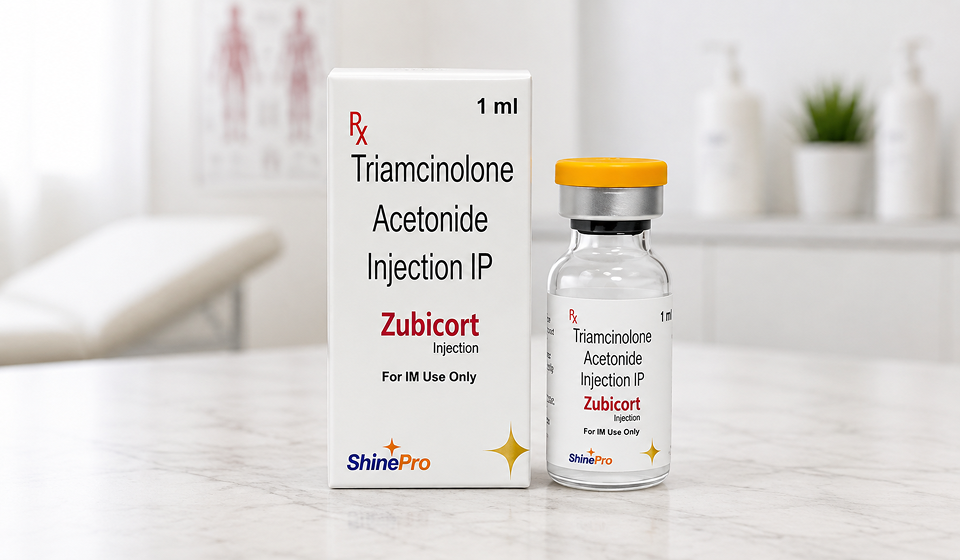
Inflammation can affect the joints, skin, respiratory system and other parts of the body. When inflammation becomes severe or does not respond adequately to other treatments, a corticosteroid such as triamcinolone acetonide may be prescribed.
Triamcinolone acetonide is a corticosteroid that helps reduce inflammation and suppress excessive immune activity. It is available in different formulations and can be administered by different routes depending on the condition being treated.
What Does Triamcinolone Acetonide Injection Do?
Triamcinolone acetonide is a synthetic corticosteroid with anti-inflammatory and anti-allergic properties. It works by reducing the activity of substances involved in the body’s inflammatory and immune responses.
This can help reduce symptoms associated with inflammation, including swelling, pain, redness and irritation. When given as an intramuscular injection, the medicine has a systemic effect, meaning it works throughout the body rather than being limited to one specific area.
Triamcinolone injections are prescription medicines and should be administered under appropriate medical supervision. The concentration, dose and route depend on the specific formulation and the condition being treated.
What Conditions Is Triamcinolone Acetonide Injection Used For?
The conditions treated with triamcinolone depend on the formulation and route of administration. Corticosteroid injections can be used for inflammatory joint and soft tissue conditions, while systemic treatment is used for certain allergic, respiratory, autoimmune and other inflammatory disorders.
Joint and Musculoskeletal Conditions
Rheumatoid arthritis
Rheumatoid arthritis is an autoimmune condition in which the immune system attacks the lining of the joints. This can cause inflammation, swelling, stiffness and pain.
Triamcinolone can be used as part of corticosteroid treatment to help control inflammation associated with rheumatoid arthritis. Depending on the formulation and treatment plan, corticosteroids can be administered locally into an affected joint or used systemically.
Osteoarthritis
Osteoarthritis mainly involves changes to the joints and surrounding tissues, but inflammation can also contribute to pain and swelling.
Corticosteroid injections can be used for osteoarthritis when inflammation is contributing to symptoms. Local injections are intended to reduce inflammation and discomfort in the affected joint.
Bursitis
Bursae are small fluid filled sacs that reduce friction around joints. When a bursa becomes inflamed, the condition is known as bursitis.
Bursitis can affect areas such as the shoulder, elbow and hip. A corticosteroid injection may be used around the affected area to reduce inflammation and associated discomfort.
Epicondylitis
Epicondylitis causes pain around the elbow and is commonly associated with tennis elbow or golfer’s elbow.
Corticosteroid injections can be used in selected cases to reduce local inflammation and pain. Proper injection technique is important, particularly around tendons.
Tenosynovitis
Tenosynovitis occurs when the protective sheath surrounding a tendon becomes inflamed. It can cause pain, tenderness and difficulty moving the affected area.
Triamcinolone can be used for tenosynovitis when local corticosteroid treatment is considered appropriate. The treatment approach depends on the location and severity of the inflammation.
Allergic and Respiratory Conditions
Triamcinolone acetonide injection is used for certain severe allergic and respiratory conditions where systemic corticosteroid treatment is required. These include bronchial asthma and allergic conditions that have not responded adequately to conventional treatment.
An intramuscular injection provides a systemic anti-inflammatory effect, helping reduce excessive inflammation and immune activity throughout the body. UK prescribing information specifically lists bronchial asthma under the allergic states treated with intramuscular triamcinolone.
Autoimmune and Systemic Inflammatory Disorders
Triamcinolone acetonide is also used to manage several systemic inflammatory and autoimmune conditions. These include:
- Systemic lupus erythematosus: An autoimmune condition that can cause inflammation in different parts of the body.
- Certain blood disorders: Corticosteroids can help control abnormal immune activity in selected conditions.
- Rheumatic conditions: Systemic corticosteroid treatment can help control inflammation during certain flare ups.
- Certain kidney disorders: Corticosteroid therapy is used in selected inflammatory kidney conditions.
- Certain respiratory disorders: Systemic corticosteroids can help control significant lung inflammation.
The specific condition, dose and duration of treatment are determined by a healthcare professional.
Skin and Inflammatory Conditions
Triamcinolone is also used in the treatment of certain inflammatory skin disorders. These can include severe dermatitis and other inflammatory skin conditions requiring corticosteroid treatment.
Triamcinolone is also used in other formulations for localised skin problems such as keloid and hypertrophic scars. In these cases, the medicine is injected directly into the affected tissue rather than administered intramuscularly.
This distinction is important because different triamcinolone formulations are designed for different routes of administration. Patients should only receive the formulation and route prescribed by their healthcare professional.
How Long Does Triamcinolone Injection Take to Work?
The time required for a corticosteroid injection to start working varies depending on the condition, route and individual response. Steroid injections can take a few days to produce their full effect, although some people notice improvement sooner.
The duration of relief also varies. For systemic treatment, the response depends on the condition and dose. Repeated injections should not be taken at fixed intervals without medical advice.
Where Can You Get Triamcinolone Acetonide Injection?
Triamcinolone acetonide injection is available in different formulations and strengths, depending on the intended use and route of administration. Choosing the appropriate product and strength is important to ensure it is suitable for the intended treatment.
For those looking to buy triamcinolone acetonide injection online, Supplements4YouAll offers Kenacort triamcinolone acetonide injection with clear product information, including its strength and intended use.
Before using any injectable corticosteroid, follow the product instructions and seek advice from a qualified healthcare professional regarding the appropriate dose, administration, and frequency.
Frequently Asked Questions
Is triamcinolone acetonide a steroid?
Yes. Triamcinolone acetonide is a corticosteroid. It works by reducing inflammation and suppressing excessive immune activity. It is different from anabolic steroids used for muscle building or performance enhancement.
What is triamcinolone acetonide IM injection used for?
A triamcinolone acetonide IM injection is used when systemic corticosteroid treatment is required. Its recognised uses include certain allergic, respiratory, rheumatic, autoimmune, dermatological, blood, kidney and other inflammatory conditions.
Can triamcinolone injection be used for asthma?
Yes. Intramuscular triamcinolone is listed for bronchial asthma where sustained systemic corticosteroid treatment is required. It is generally reserved for specific situations and should be administered under medical supervision.
How often can I get a triamcinolone injection?
There is no single interval suitable for everyone. Repeat treatment should be based on your medical condition and response to previous injections. Repeated injections can carry additional risks, so the schedule should be determined by a healthcare professional.
Is triamcinolone an anti-inflammatory medicine?
Yes. Triamcinolone is a corticosteroid that reduces inflammation and suppresses certain immune responses.
Disclaimer: This article is for general information only and does not replace advice from a qualified healthcare professional. Triamcinolone acetonide injection is a prescription-only medicine and should only be used under appropriate medical supervision.